When starting a new project, one of the first decisions you need to make is the size of your canvas. The canvas size plays a crucial role in the overall design and presentation of your work. Whether you're working on a graphic design, a website layout, or a digital painting, choosing the optimal canvas size is essential for a successful outcome. So how do you go about finding the perfect size for your next project?
The first step is to consider the purpose and medium of your project. Are you creating a website banner, a social media graphic, or a print poster? Each of these platforms has different requirements and dimensions, and it's important to understand them to ensure your work looks its best. Research the standard sizes used in your desired medium and take note of any specific guidelines.
Next, think about the content and layout of your design. Does it require a lot of detail or whitespace? Will it feature multiple elements or focus on a single central image? These considerations will influence the aspect ratio and size of the canvas. For example, a landscape-oriented graphic may require a wider canvas, while a portrait-oriented design may need more height.
Lastly, don't forget to consider your own preferences and working style. Do you enjoy working on larger canvases that allow for more freedom and creativity, or do you prefer a smaller, more focused workspace? Experiment with different sizes to find what feels most comfortable and suits your artistic vision.
Choosing the Right Dimensions for Your Project
When starting a new project, one of the first things you need to consider is the canvas size. The dimensions of your canvas can greatly impact the final result, so it's crucial to choose the optimal dimensions that suit your project's needs. Whether it's a website design or a digital illustration, here are a few factors to consider when determining the right canvas size for your next project.
Firstly, think about the purpose and target audience of your project. Is it a website that needs to be viewed on various devices? If so, a responsive design that adjusts to different screen sizes might be the way to go. On the other hand, if your project is meant for print, you'll need to consider the final physical size, resolution, and any potential bleeds or trims required.
Secondly, consider the level of detail and complexity your project requires. If you're working on a highly intricate digital artwork or a complex infographic, a larger canvas size may be necessary to accommodate all the elements. Conversely, a smaller canvas size may suffice for a minimalist design or a simple logo.
Lastly, don't forget about the aspect ratio. The aspect ratio determines how the width and height of your canvas relate to each other. Depending on the project, you may want a square canvas, a wide rectangular canvas, or even a tall vertical canvas. The aspect ratio can greatly impact the composition and overall look of your design or website.
Determining the Optimal Canvas Size
When starting a new project, one crucial aspect to consider is the canvas size. The canvas size plays a significant role in the overall design and layout of your project, whether it's a website, an illustration, or even a digital painting. It determines the dimensions you have to work with and can greatly impact the user experience and visual appeal.
The first step in determining the optimal canvas size is understanding the purpose and context of your project. Are you designing a website that needs to be responsive across different devices, or are you working on a brochure that will be printed? Different mediums and platforms require different canvas sizes. For web design, it's important to consider the most common screen resolutions to ensure your content fits well on the majority of devices. On the other hand, print projects require specific dimensions to maintain the desired print quality.
Next, think about the content and elements you'll be incorporating into your project. If your design involves intricate details, such as a highly-detailed illustration, you may need a larger canvas size to allow for finer strokes and more precise elements. For simple designs or text-heavy projects, a smaller canvas size might suffice. Keep in mind that a smaller canvas can be easier to handle and load on different platforms, but it may limit your creative freedom.
Lastly, it is beneficial to do some research and gather inspiration from existing projects that align with your goals. Analyze the canvas sizes used in successful websites, illustrations, or digital artworks within your niche. Look for those that elicit a similar emotion or convey a similar message to what you intend to achieve. By observing what has worked for others, you can gain valuable insights and adapt those findings to your own project.
Determining the optimal canvas size is a fundamental step in any creative project. By considering the purpose, content, and drawing inspiration from successful examples, you can make informed decisions and create designs that make an impact. Remember, there is no one-size-fits-all approach to canvas size, but by following these guidelines, you can increase your chances of creating a visually stunning and engaging project.
Selecting the Perfect Dimensions for Your Next Project
When starting a new project, be it an illustration, a web layout, or a print design, one important decision you'll have to make is determining the optimal canvas size. The dimensions you choose will greatly influence the overall look and feel of your work, so it's vital to get it right. Here are a few tips to help you select the perfect dimensions for your next creative endeavor.
Consider the Purpose and Medium
The first thing to consider is the purpose and medium of your project. Are you creating a social media graphic, a logo, or maybe a high-resolution poster? Each purpose and medium often have specific size requirements. For example, if you're designing an Instagram post, you might want to use the recommended dimensions (1080x1080 pixels) for optimal display. On the other hand, for a print poster, you'll need a much higher resolution to ensure clarity and sharpness.
Think About the Content and Layout
Take a moment to think about the content and layout of your project. What elements will be included, such as text, images, or illustrations? Will it be a single page or require multiple pages? Will it be viewed on a mobile device or a large desktop screen? These considerations will help you determine the canvas dimensions that allow enough space for your content while maintaining a visually pleasing composition.
Anticipate Future Needs
Lastly, it's always a good idea to anticipate any future needs of your project. Will you need to resize or crop the artwork later? If so, it's better to start with a larger canvas size to allow for flexibility in editing. Additionally, consider the possibility of scaling up your design for different purposes. For example, if you create a logo, ensure it can be resized without losing quality for potential use in various mediums like banners or merchandise.
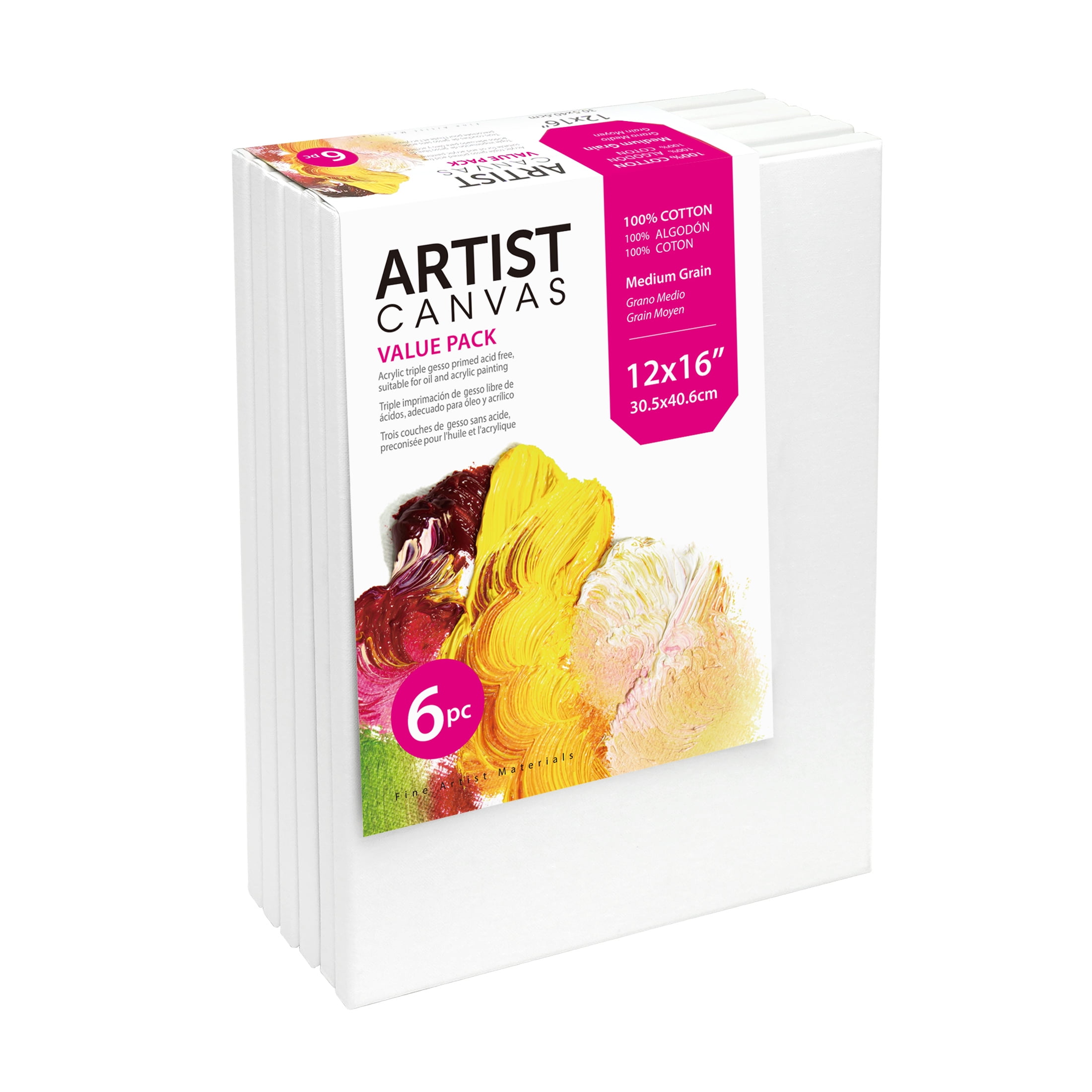
6-Pack 12x16 Canvas, Acid-Free
Premium Quality Canvas for Artists and Hobbyists Alike
Product information
$14.46 $11.97
Product Review Score
4.74 out of 5 stars
157 reviews